
I had always considered myself ‘healthy’.
↓
My earlier career in advertising and film took me across the Americas, Europe, Asia, and Africa. My body always kept up with a constant routine of long flights, time changes, 16-hour+ workdays, late nights, and early mornings.
I trusted my body completely, and it carried me through reliably.
Then I had a miscarriage.
It was the first time I felt my body had failed me.
I was unprepared and knew very little about what was happening, physically or emotionally. Coming home from the hospital was disorienting, and I felt a deep sense of anger.
Then it happened again. And again. And again.

My age gave me a reason for the miscarriages, but I also began noticing other changes that I couldn’t make sense of.
My energy was waning. Sleep was inconsistent. I was experiencing brain fog and losing words mid-sentence. The mental overwhelm was becoming hard to manage and I struggled to find purpose in what once felt like a successful career.
By this point I was in my early 40s.
Just after turning 46, while coordinating with a team in Japan across a 13-hour time difference, I hit a breaking point.
The next morning, I woke up, and took a photo of myself. It was proof of how I felt so I’d never slip back into old patterns. A reminder of the moment I decided to make a change. I couldn’t explain it logically, but something inside shifted.
What began was a new journey.
I decided to step away from the career that had defined most of my adult life.
My curiosity first lead me to enroll at the Canadian School of Natural Nutrition, where I started questioning my health more broadly.
Soon after I completed advanced training in systems-based functional nutrition through the Functional Nutrition Alliance and later Functional Diagnostic Nutrition training.
What I learned reshaped how I understand health.
I came to understand that for many women, midlife doesn’t create problems so much as it reveals them.
I learned how stress, environment, nourishment, relationships, and life experiences all leave subtle fingerprints on our physiology.
And how hormonal shifts reduce the body’s ability to compensate for the stressors we’ve accumulated along the way.
↓
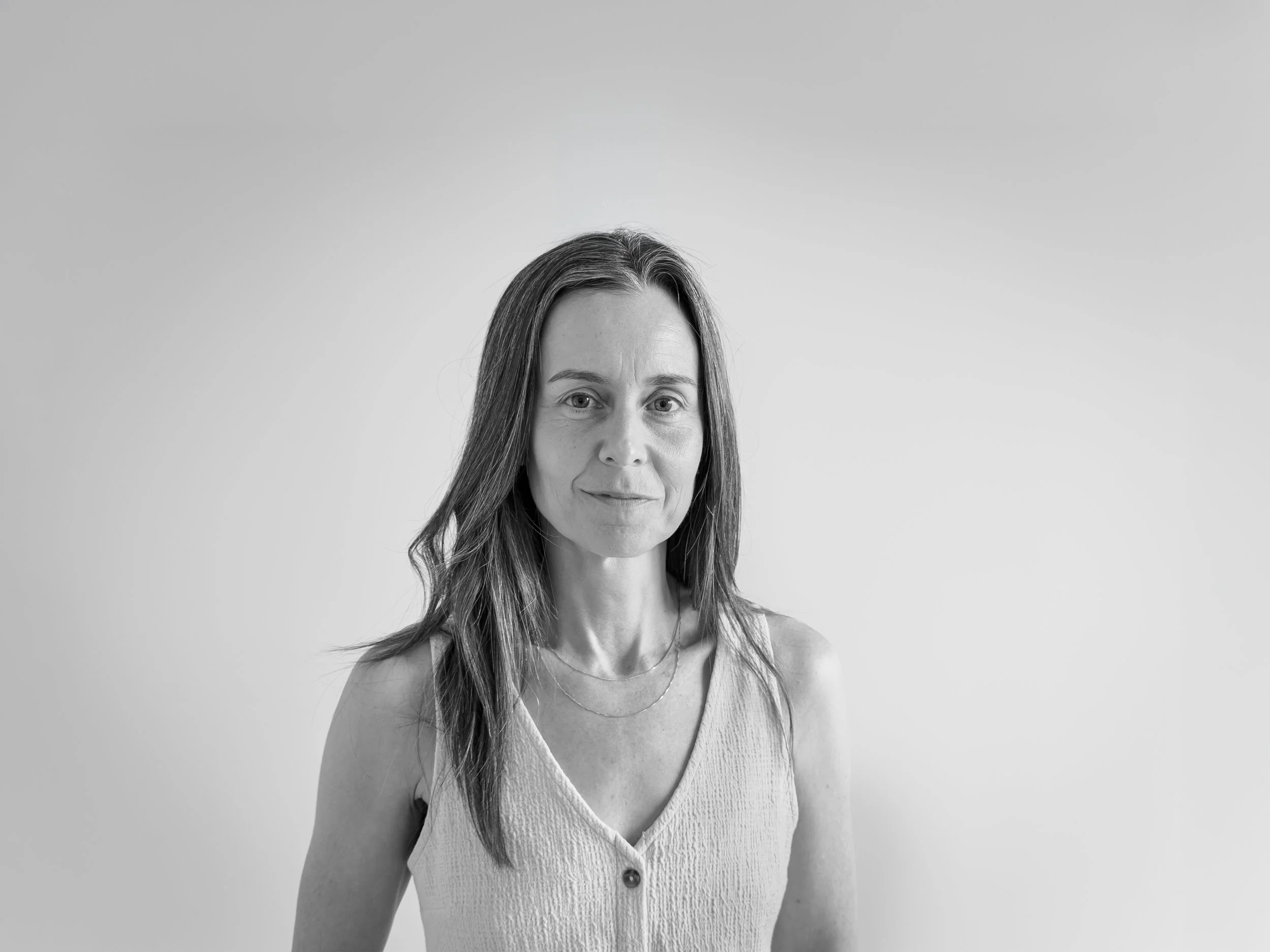
I no longer see my body as broken.
I see it as responding.
Ultimately, my training helped me place my health struggles within the broader context of my life with greater compassion and accountability, and recognize how deeply interconnected our health and life experiences — including grief — truly are.
It’s been years since I took that photo, and while I still view health as an ongoing process of learning and adjustment, I feel different today.
I feel more in sync with my body, have a deeper understanding of how it responds, and far more confidence in how to support it as I move through this stage of life.